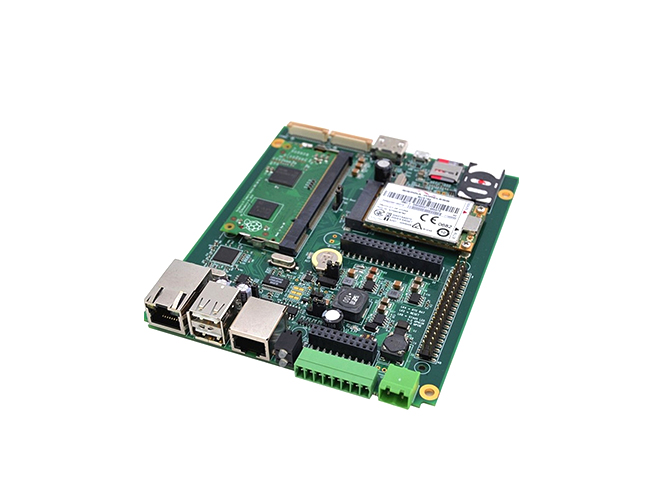
PCB solder mask ink is never limited to green, though green remains the dominant color in mainstream electronic manufacturing. The widespread use of green solder masks originated from mid-20th century industrial and military standardization. Early FR4 PCB substrates featured natural yellowish-brown tones, and green pigment provided optimal visual contrast for manual and automated defect inspection, including solder bridging, open circuits, and copper oxidation. Additionally, green solder mask formulas boast excellent chemical stability, UV curing compatibility, and cost efficiency, making them the most mature and mass-produced option in the industry. Decades of standardized production have further reduced material and processing costs for green ink, solidifying its status as the default choice for general-purpose PCBs.
Modern PCB manufacturing supports a full spectrum of solder mask colors, including black, blue, red, white, yellow, and transparent, each tailored to specific application scenarios. Black solder masks are widely adopted in high-end consumer electronics for their sleek appearance and strong electromagnetic interference shielding performance, while white solder masks are exclusive to LED lighting PCBs to maximize light reflection and improve luminous efficiency. Red and blue solder masks are commonly used for product differentiation, brand identification, or circuit area classification in industrial control equipment and customized electronic products. Special colored solder masks also include matte and glossy finishes to meet diverse functional and aesthetic demands.
Despite diverse color options, non-green solder masks have inherent limitations that restrict their universal application. Dark colors such as black and dark blue absorb more heat, worsening board heat dissipation and increasing the risk of overheating in high-power circuits; they also reduce silkscreen contrast, interfering with automated Optical Automatic Inspection (AOI) accuracy. Light colors like white and yellow are prone to accumulating dust and showing soldering stains, increasing post-production maintenance difficulty. Moreover, special-color solder mask inks require customized pigment formulations and adjusted curing processes, raising production costs by 10% to 30% compared to green alternatives. For this reason, non-green colors are only used for niche functional or branding requirements rather than mass production.




 Home >


