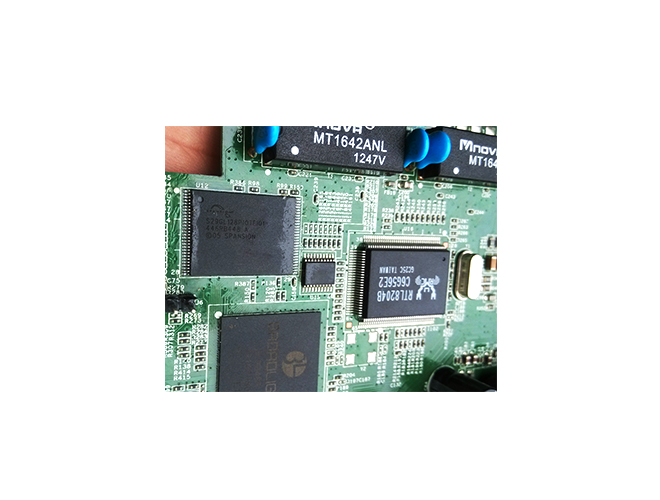
Automotive electronics PCBA (Printed Circuit Board Assembly) is the core component that drives the intelligence, safety, and efficiency of modern vehicles. Unlike consumer electronics PCBA, automotive PCBA operates in extremely harsh and complex environments, requiring high resistance to temperature changes, vibration, humidity, and electromagnetic interference (EMI). With the rapid development of electric vehicles (EVs), autonomous driving, and connected cars, the demand for high-performance, reliable automotive PCBA has skyrocketed, becoming a key driver of the global PCBA industry growth. These assemblies are integrated into various automotive systems, including powertrain control, infotainment, advanced driver-assistance systems (ADAS), body control, and battery management systems (BMS), each with unique technical requirements to ensure vehicle safety and performance.
In terms of technical specifications, automotive PCBA must comply with strict industry standards such as IATF 16949, which emphasizes quality management and traceability throughout the production process. The components used in automotive PCBA are often automotive-grade, designed to withstand extreme temperatures ranging from -40°C to 125°C, as well as constant vibration from road conditions and engine operation. For example, BMS PCBA in EVs must accurately monitor battery voltage, current, and temperature to prevent overcharging, overheating, and short circuits, directly affecting the safety and range of the vehicle. ADAS-related PCBA, such as those used in radar, lidar, and camera systems, require high precision and low latency to process real-time data, enabling functions like adaptive cruise control, lane-keeping assist, and automatic emergency braking.
The future of automotive electronics PCBA is closely tied to the advancement of smart mobility. As autonomous driving moves towards higher levels (L3 and above), PCBA will need to support more powerful computing capabilities, faster data transmission, and seamless integration with other vehicle systems. Additionally, the shift towards electric vehicles has increased the demand for high-voltage PCBA, which can handle the high power requirements of EV powertrains. Manufacturers are also focusing on miniaturization and lightweight design of PCBA to reduce vehicle weight and improve energy efficiency. With the integration of 5G, AI, and IoT technologies, automotive PCBA will play an even more critical role in enabling connected cars, intelligent transportation systems, and a more sustainable automotive ecosystem.




 Home >


