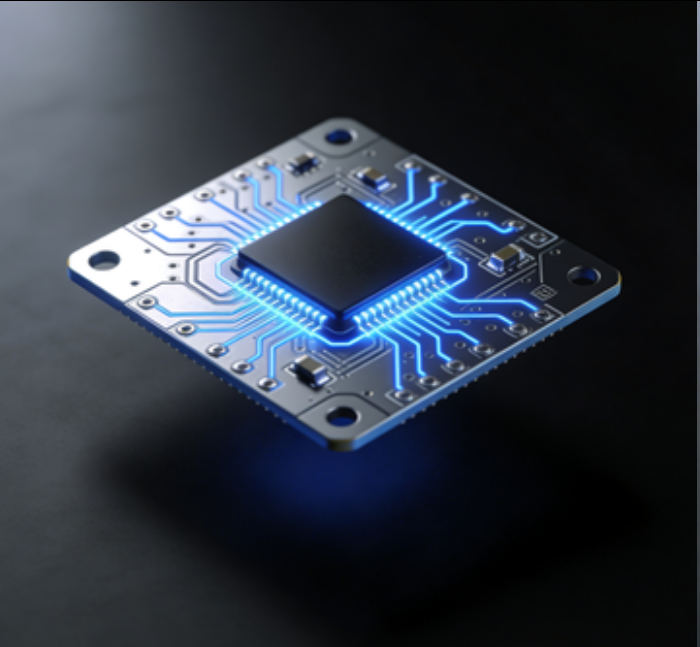
Hall sensors, which operate based on the Hall effect to detect magnetic fields, require specialized printed circuit boards (PCBs) to ensure optimal performance and reliable operation. A dedicated PCB board for Hall sensors is meticulously designed to meet the unique electrical, mechanical, and environmental requirements of these sensors, facilitating accurate signal acquisition and processing.
The design of Hall sensor - specific PCBs begins with a thorough understanding of the sensor's electrical characteristics. Hall sensors generate a small voltage output proportional to the strength of the magnetic field they detect. To accurately measure this weak signal, the PCB must incorporate high - precision analog - to - digital converters (ADCs) and low - noise amplifier circuits. These components need to be carefully placed on the PCB to minimize electrical interference and signal distortion. For instance, the amplifier circuits should be positioned as close as possible to the Hall sensor to reduce the length of the signal traces, which can act as antennas and pick up unwanted noise. Additionally, proper shielding techniques, such as using grounded copper pours around sensitive components, can further enhance the signal integrity.
Material selection is also a critical aspect of Hall sensor PCB design. The substrate material of the PCB should have good electrical insulation properties to prevent leakage currents that could affect the sensor's accuracy. Glass - epoxy laminates, such as FR - 4, are commonly used due to their relatively low cost, good mechanical strength, and satisfactory electrical performance. However, for applications where higher frequency operation or better thermal management is required, materials like Rogers laminates may be preferred. These materials offer lower dielectric loss and better thermal conductivity, enabling more stable operation of the Hall sensor in challenging environments.
In terms of mechanical design, the PCB for Hall sensors needs to provide a secure mounting platform for the sensor. The layout should include appropriate mounting holes and pads that are precisely aligned with the sensor's package. This ensures a stable connection and minimizes the risk of mechanical stress on the sensor, which could lead to performance degradation over time. Moreover, the PCB may need to be designed with specific shapes or cutouts to fit into the overall system assembly, especially in applications where space is limited, such as in automotive engine control units or small - scale consumer electronics.
Environmental considerations also play a significant role in Hall sensor PCB design. Since Hall sensors are often used in environments with varying temperatures, humidity levels, and electromagnetic interference, the PCB must be designed to withstand these conditions. Surface mount technology (SMT) components are typically preferred for their smaller size and better resistance to environmental factors compared to through - hole components. Additionally, conformal coating can be applied to the PCB to protect the components from moisture, dust, and chemical contaminants, enhancing the reliability and lifespan of the Hall sensor system. Overall, a well - designed dedicated PCB board is essential for maximizing the performance and functionality of Hall sensors in a wide range of applications.




 Home >


