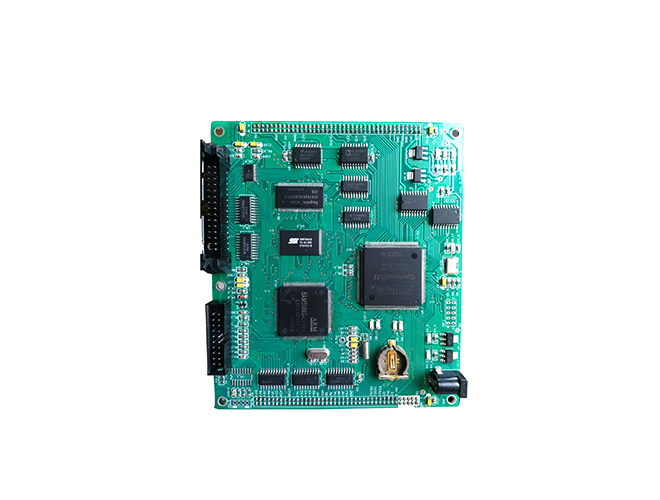
The two mainstream PCBA cooperation modes, consigned material processing and full turnkey contracting, dominate modern electronics manufacturing outsourcing, with core divergence lying in material procurement liability, capital allocation and supply chain management boundary, widely selected by electronic enterprises ranging from startup R&D teams to mass-production manufacturers across automotive, industrial control and consumer electronics sectors. Consigned processing means clients deliver complete bare PCB, all active/passive components, solder paste and auxiliary materials to EMS factories, while manufacturers only execute SMT mounting, DIP through-hole soldering, ICT/FCT functional testing and finished product packaging without any component purchasing duty. Under this framework, factories charge fixed processing fees calculated by component pin counts or production batches, excluding raw material cost inside quotations, making pricing structure transparent on manufacturing service alone. Many large-scale listed electronics companies adopt this model because they own mature global component sourcing channels, bulk purchasing advantages for core chips and standardized in-house inventory management system to lock raw material cost fluctuation risks.
Full turnkey PCBA service, also named full package contracting, empowers EMS suppliers to handle full-chain operations including BOM verification, component sourcing, incoming material inspection, PCB fabrication, full assembly and final testing delivery based only on clients’ Gerber files, BOM lists and technical specifications. Service quotes combine raw material procurement expense, production processing cost, inventory management overhead and reasonable manufacturer profit margin into one lump-sum price, removing clients’ daily workload of supplier negotiation, material follow-up and stock storage. Most small startups and mid-sized developing enterprises prefer turnkey cooperation since they lack independent procurement departments and stable component supply resources, transferring raw material shortage, price hike and counterfeit component risks entirely to qualified manufacturing vendors with long-term upstream component factory cooperation relations.
Quality responsibility definition forms another critical distinction affecting after-sales troubleshooting efficiency between the two modes. For consigned processing, clients bear full accountability for defective raw materials such as wrong component model, failed incoming chips or counterfeit capacitors; manufacturers only compensate losses caused by improper soldering, mounting deviation or operational errors during production, resulting in frequent responsibility disputes when finished PCBA fails functional tests as engineers need to distinguish incoming defect or process failure through repeated sampling inspections. Conversely, turnkey manufacturers take full end-to-end quality obligation covering both component authenticity and production workmanship, so all finished product malfunction tracing focuses solely on EMS providers, greatly shortening failure analysis cycle and simplifying after-sale claim procedures for downstream purchasers.
Cash flow occupation and applicable project scenarios further separate these two outsourcing options evidently. Consigned mode ties up massive client working capital for upfront component prepayment, warehouse rental and periodic raw material logistics expenditure, hence fit mature mass-production orders with predictable monthly output and fixed component procurement cycle. Turnkey contracting shifts all material capital pressure to manufacturers, enabling clients to save initial fund reserve and allocate limited capital to product R&D, market promotion and after-sale service development, perfectly matching small-batch prototype verification, multi-variety trial production and new product pre-production projects with unstable order volumes. In recent automotive electronics supply chain, tier-two component suppliers commonly combine two modes: core safety-critical MCU chips adopt consigned supply for confidential control, while ordinary resistors, capacitors and connectors use turnkey sourcing to balance confidentiality requirement and procurement efficiency optimization.




 Home >


