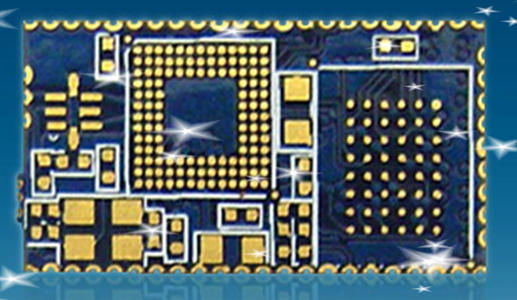
The environmental adaptability of flex-rigid PCBs refers to their ability to maintain structural integrity and electrical performance across a wide range of harsh operating conditions—including extreme temperatures, humidity, vibration, mechanical stress, and chemical exposure. Unlike traditional rigid PCBs (which are brittle and prone to damage under environmental stress) or flexible PCBs (which may lack structural support for complex components), flex-rigid PCBs combine the rigidity of rigid substrates (for component mounting) with the flexibility of flexible layers (for bending and contouring), creating a hybrid solution that excels in challenging environments. This makes them ideal for industries such as automotive, aerospace, medical devices, and industrial IoT, where equipment often operates in conditions that would degrade standard PCBs.
One of the key strengths of flex-rigid PCBs in environmental adaptability is their resistance to extreme temperatures. The rigid layers are typically made of high-temperature-resistant materials like FR-4 (glass-reinforced epoxy) or polyimide, while the flexible layers use polyimide substrates—both of which can withstand temperature ranges from -55°C to 150°C (or higher for specialized grades). This ensures stable performance in applications like automotive under-hood electronics (exposed to engine heat up to 120°C) or aerospace components (subject to extreme cold at high altitudes). For example, a flex-rigid PCB used in a jet engine’s sensor module can maintain electrical connectivity and component stability even when exposed to rapid temperature fluctuations between -40°C (during flight) and 140°C (near the engine).
Humidity and moisture resistance are also critical aspects of their environmental adaptability. Flex-rigid PCBs use moisture-resistant laminates and coatings (such as conformal coatings like acrylic or silicone) to prevent water ingress into the board’s layers. The flexible polyimide layers are inherently moisture-resistant, and the bonding between rigid and flexible sections is sealed with high-performance adhesives that block humidity. This makes them suitable for medical devices like implantable monitors (exposed to bodily fluids) or outdoor IoT sensors (subject to rain and high humidity). For instance, a flex-rigid PCB in a wearable glucose monitor can resist sweat and moisture penetration, ensuring reliable data transmission and component longevity for up to 5 years.
Vibration and mechanical stress resistance set flex-rigid PCBs apart from rigid alternatives. The flexible layers act as a “shock absorber,” absorbing mechanical vibrations and reducing stress on solder joints and components. This is crucial for automotive electronics (exposed to road vibrations) or industrial machinery (subject to constant motion). Rigid PCBs often suffer from solder joint fatigue or component detachment under vibration, but flex-rigid designs distribute stress evenly across the flexible layers. For example, a flex-rigid PCB in a construction vehicle’s control system can withstand continuous vibration (up to 2000 Hz) without losing connectivity, ensuring the vehicle’s safety systems remain operational.
Chemical resistance further enhances their adaptability in harsh environments. Flex-rigid PCBs can be coated with chemical-resistant materials to withstand exposure to oils, solvents, fuels, or industrial chemicals. In automotive applications, they resist engine oils and gasoline, while in industrial settings, they tolerate cleaning agents and corrosive gases. For example, a flex-rigid PCB in a chemical processing plant’s sensor can withstand exposure to hydrochloric acid fumes (at low concentrations) without degradation, maintaining accurate readings for process control. With their ability to endure extreme temperatures, humidity, vibration, and chemicals, flex-rigid PCBs are the preferred choice for mission-critical applications where environmental resilience is non-negotiable.




 Home >


