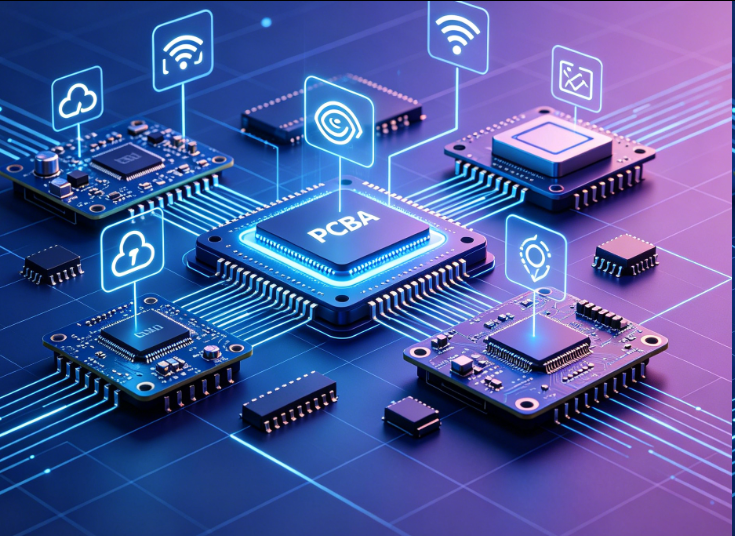
The IoT (Internet of Things) intelligent PCBA platform integrates IoT technology, cloud computing, data analytics, and edge computing to create a connected, data-driven manufacturing ecosystem for PCBA production. This platform connects every piece of equipment, sensor, and device in the PCBA production line to a centralized network, enabling real-time data collection, monitoring, and control. Unlike traditional production systems, which operate in silos with limited data sharing, the IoT intelligent PCBA platform provides end-to-end visibility into the entire manufacturing process, from raw material input to finished product delivery, empowering manufacturers to make informed decisions, optimize operations, and improve product quality.
At the heart of the IoT intelligent PCBA platform are IoT sensors deployed throughout the production line, which collect data on various parameters such as temperature, humidity, pressure, vibration, and machine performance. These sensors transmit real-time data to a cloud-based or edge computing platform, where it is processed, analyzed, and visualized. For example, sensors in reflow ovens monitor temperature profiles to ensure consistent soldering quality, while vibration sensors in pick-and-place machines detect potential equipment failures before they occur. The platform also integrates with MES (Manufacturing Execution System) and ERP (Enterprise Resource Planning) systems, enabling seamless data sharing between production, inventory, and business operations.
The benefits of the IoT intelligent PCBA platform are multifaceted. Real-time monitoring allows manufacturers to identify and resolve issues immediately, minimizing downtime and reducing the risk of defective products. For example, if a sensor detects an abnormal temperature in a reflow oven, the platform can automatically alert operators or adjust the temperature settings, preventing solder defects. Data analytics capabilities enable manufacturers to optimize production processes by identifying bottlenecks, analyzing equipment efficiency, and predicting maintenance needs. This predictive maintenance can reduce equipment downtime by up to 40%, significantly improving overall production efficiency. Additionally, the platform enables remote monitoring and control, allowing operators to manage the production line from anywhere, enhancing flexibility and responsiveness.
Furthermore, the IoT intelligent PCBA platform supports traceability throughout the entire production process. Each PCB is assigned a unique identifier, and all production data—including component information, processing parameters, and inspection results—is linked to this identifier. This enables manufacturers to quickly trace the origin of any defects, identify root causes, and implement corrective actions, which is critical for compliance with industry standards and customer requirements. As the manufacturing industry moves toward Industry 4.0, the IoT intelligent PCBA platform is becoming a key enabler of smart manufacturing, enabling manufacturers to achieve higher efficiency, better quality, and greater flexibility in PCBA production.




 Home >


