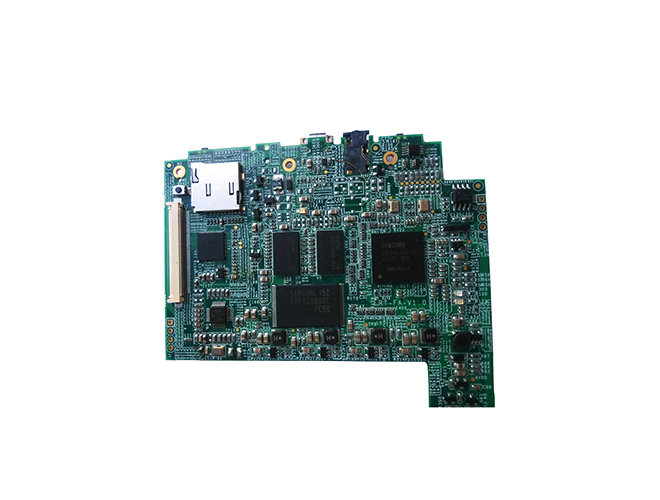
The rapid evolution of electronic devices, from compact consumer electronics to high-performance industrial equipment and aerospace systems, has driven continuous innovation in PCB (Printed Circuit Board) design technologies. Traditional PCB design, which focuses on basic connectivity and mechanical fit, can no longer meet the demands of miniaturization, high integration, high-speed signal transmission, and energy efficiency. Today’s innovative PCB design technologies are reshaping the industry by integrating artificial intelligence (AI), additive manufacturing, advanced materials, and intelligent simulation, enabling the development of more reliable, efficient, and sustainable circuit boards that support the next generation of electronic products.
One of the most transformative innovations in PCB design is the integration of AI and machine learning (ML) into the design workflow. Unlike traditional rule-based design tools, AI-powered design platforms can analyze massive amounts of historical design data, identify patterns, and optimize layouts automatically. For instance, ML algorithms such as convolutional neural networks (CNN) can recognize potential EMI (Electromagnetic Interference) issues in PCB layouts by processing layout data as image inputs, achieving an accuracy rate of up to 97.3% in identifying impedance discontinuities caused by irregular power/ground plane shapes—far exceeding traditional rule-checking methods. Reinforcement learning (RL) algorithms further optimize routing strategies by balancing constraints such as EMC performance, thermal management, and manufacturing costs, reducing design iterations and improving overall performance.
Another key innovation lies in advanced manufacturing and material technologies, particularly additive manufacturing (3D printing) and new substrate materials. Additive manufacturing has broken the limitations of traditional subtractive processes, enabling the creation of complex 3D PCB structures with high precision, such as embedded components, hollow cavities, and customized heat-dissipating structures. For example, OKI’s stepped copper coin PCB technology, which transforms traditional flat copper sheets into stepped irregular structures, increases contact area by 42% and improves heat radiation efficiency by 55 times in vacuum environments—critical for aerospace applications. Additionally, sustainable materials are gaining traction: biodegradable PCBs, developed using “growth-and-transfer” electroplating processes, can degrade over 99% of their mass into low-toxicity products, reducing electronic waste while maintaining high performance (5μm track resolution and 3mΩ/sq sheet resistance).
Smart simulation and digital twin technologies also represent a major leap in PCB design innovation. Digital twins create virtual replicas of PCBs, allowing designers to simulate and test performance under real-world conditions—including thermal stress, signal integrity (SI), power integrity (PI), and mechanical vibration—before physical prototyping. This not only reduces the time and cost associated with physical testing but also enables proactive optimization of potential issues. For high-speed PCBs, advanced simulation tools can predict crosstalk, reflection, and signal delay with unprecedented accuracy, ensuring compliance with strict industry standards. When combined with real-time data feedback from physical prototypes, digital twins create a closed-loop design process that continuously improves design reliability and performance.




 Home >


