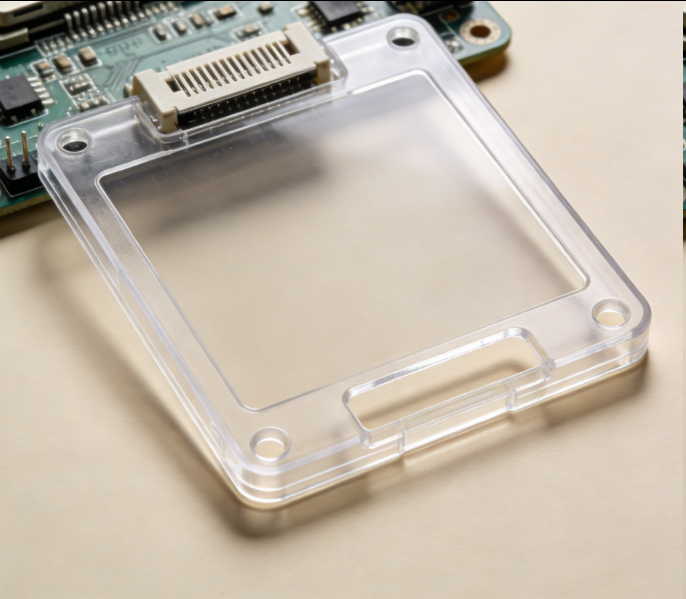
A PCB dust cover is a protective enclosure designed to shield printed circuit boards from dust, debris, moisture, and other environmental contaminants that can degrade performance or cause electrical failures. These covers are essential in applications such as industrial machinery, outdoor electronics, and consumer devices, where PCBs are exposed to harsh or dirty environments.
The primary function of a PCB dust cover is to create a physical barrier that prevents particles (from microscopic dust to larger debris) from settling on the PCB’s surface or accumulating between components. Dust and debris can act as insulators, trapping heat and increasing the risk of overheating, or as conductors, causing short circuits between adjacent traces or components. Moisture, whether from humidity or liquid spills, can lead to corrosion of metal components (such as solder joints or copper traces) or electrical leakage, both of which compromise PCB reliability.
Material selection for PCB dust covers depends on the application’s environmental conditions. For general-purpose use, plastic materials like polycarbonate (PC) or acrylonitrile butadiene styrene (ABS) are common, offering good impact resistance, transparency (allowing visual inspection of the PCB), and resistance to dust and water splashes. These plastics can be molded into custom shapes to fit specific PCB dimensions, with features like snap-on edges or screw holes for easy installation.
In more demanding environments, such as industrial settings with high temperatures or chemical exposure, dust covers may be made from materials like PEEK (polyether ether ketone) or stainless steel. PEEK is resistant to chemicals, high temperatures (up to 260°C), and UV radiation, making it suitable for outdoor or high-heat applications. Stainless steel covers provide exceptional durability and protection against physical damage, though they are heavier and less transparent than plastic options.
Design features of PCB dust covers include seals and gaskets to enhance protection. Rubber or silicone gaskets are often integrated into the cover’s edges, creating a tight seal when the cover is closed and preventing dust or moisture from entering through gaps. For applications requiring complete water resistance, dust covers can be designed to meet IP (Ingress Protection) ratings such as IP65 (dust-tight and protected against low-pressure water jets) or IP67 (dust-tight and waterproof up to 1 meter).
Ventilation is a critical consideration, as sealed covers can trap heat generated by PCB components. To address this, dust covers may include vents fitted with dust filters (e.g., foam or mesh) that allow air flow while blocking particles. In high-power PCBs, active cooling elements like small fans can be integrated into the cover, ensuring adequate heat dissipation without compromising dust protection.
Installation and accessibility are also important design factors. Dust covers should be easy to remove or open to allow for PCB maintenance, component replacement, or testing. Hinged covers, quick-release latches, or tool-less snap mechanisms are common features that balance protection with accessibility. For example, a dust cover on an industrial control PCB might use a hinged design with a latch, allowing technicians to inspect or repair the PCB without fully removing the cover.
Testing PCB dust covers involves evaluating their protective performance under various conditions. Dust resistance is tested using methods like ISO 2859, where the cover is exposed to a controlled dust environment and then inspected for particle ingress. Water resistance is assessed using spray or immersion tests per IEC 60529 (the IP rating standard). Additionally, covers are tested for durability, including resistance to impact, temperature cycling, and UV exposure, to ensure they maintain protection over the PCB’s lifespan.
Compliance with industry standards, such as UL 94 (flammability) for plastic covers or NEMA ratings for industrial enclosures, ensures that the dust cover meets safety and performance requirements for its intended application.




 Home >


