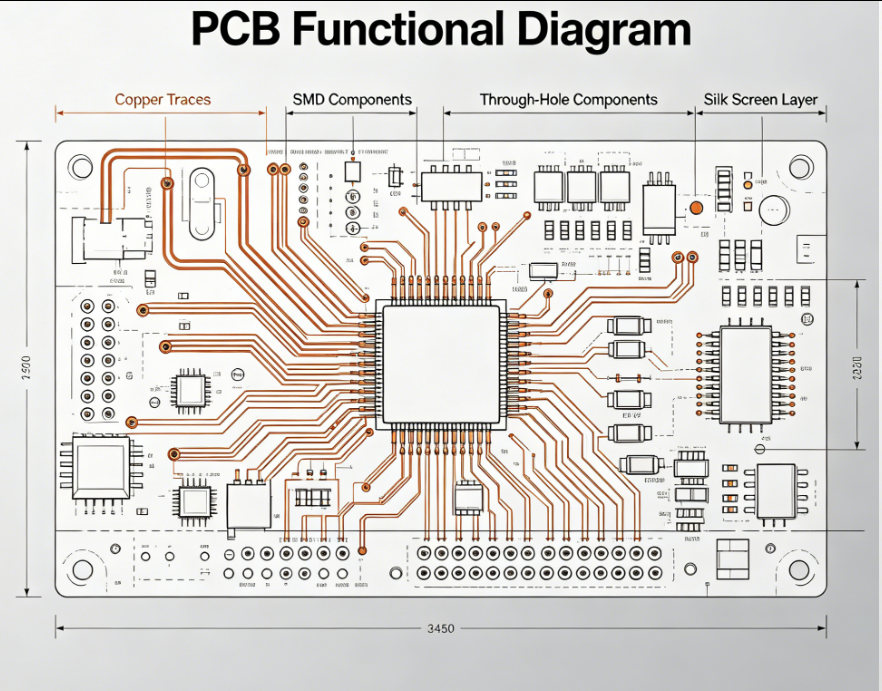
PCB functional verification is a critical step in the manufacturing process that ensures the printed circuit board operates exactly as designed and meets all specified functional requirements. This testing phase goes beyond simple electrical checks; it validates the overall performance of the PCB in simulating real-world operating conditions, ensuring that all components, connections, and signal paths work in harmony to deliver the intended functionality. The primary goal of functional verification is to identify any design flaws, component mismatches, or assembly errors that could lead to performance degradation, system failure, or safety hazards once the PCB is integrated into the end product.
During functional verification, engineers use a combination of specialized equipment and software tools to simulate the PCB’s intended operation. This includes applying input signals that mimic real-world usage, monitoring output responses, and verifying that all digital and analog functions perform within acceptable tolerances. For digital PCBs, this may involve testing logic gates, data transmission rates, and signal integrity, while analog PCBs require checks on voltage regulation, current flow, and signal amplification. Additionally, functional verification often includes testing for interoperability with other system components, ensuring that the PCB can communicate effectively with microcontrollers, sensors, power supplies, and other peripheral devices.
Another key aspect of PCB functional verification is the validation of power management and thermal performance. Engineers check that the PCB operates stably under different power load conditions, ensuring that voltage levels remain consistent and that power consumption meets design specifications. Thermal testing is also integrated to identify hotspots on the PCB, which could indicate poor component placement or inadequate heat dissipation, potentially leading to component failure over time. By conducting comprehensive functional verification, manufacturers can reduce the risk of costly rework, improve product reliability, and ensure that the final PCB meets the highest quality standards for its intended application, whether in consumer electronics, automotive systems, industrial equipment, or aerospace technology.




 Home >


