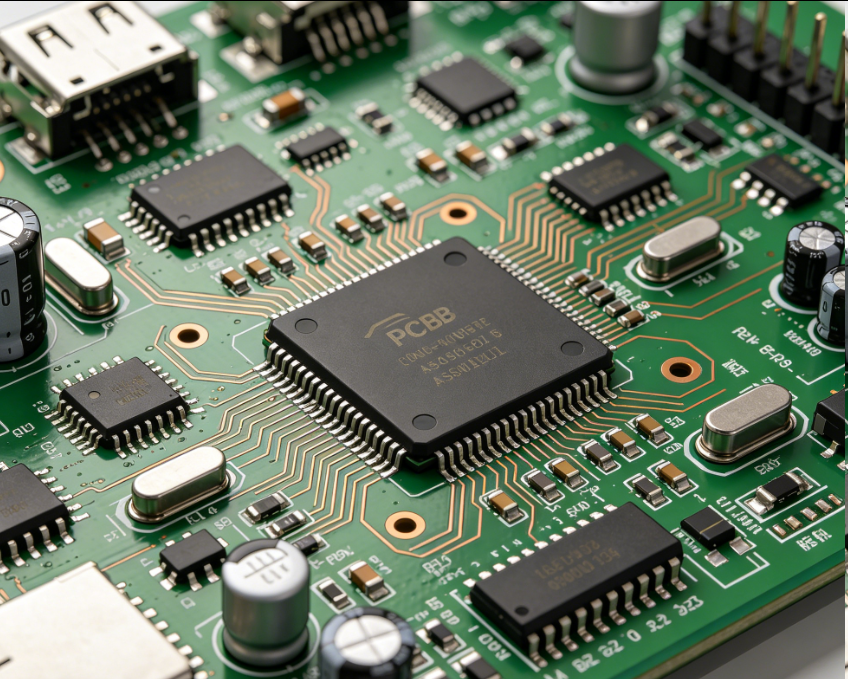
A PCBA (Printed Circuit Board Assembly) inspection report is a comprehensive and formal document that records the results of evaluating assembled circuit boards against predefined quality standards and specifications. It serves as a critical tool for quality control (QC) teams, production managers, and stakeholders to assess the conformance of PCBA products, identify potential issues, and ensure that only qualified products enter the next stage of production or reach the end customer. The report is typically generated after a series of systematic inspection processes, which may include visual inspection (VI), automated optical inspection (AOI), X-ray inspection, functional testing, and in-circuit testing (ICT), depending on the complexity of the PCBA and the requirements of the application.
The structure of a PCBA inspection report is designed to be clear, detailed, and actionable, ensuring that all relevant information is easily accessible and understandable. It usually begins with basic information such as the report number, inspection date, PCBA model number, batch number, production quantity, inspection quantity, and the name of the inspector or inspection team. This foundational information is essential for traceability and future reference, allowing teams to quickly locate specific batches or products if issues arise later. Following the basic information, the report includes a section on inspection criteria, which outlines the standards used to evaluate the PCBA—such as IPC-A-610 (the industry standard for acceptability of electronic assemblies), customer-specific requirements, and internal quality guidelines.
The core section of the inspection report is the results summary, which details the number of conforming and non-conforming PCBs, the pass rate, and a breakdown of defects found. Each defect is documented with specific information, including the defect type (e.g., solder bridging, component misalignment, missing components, cold solder joints), the location of the defect on the PCBA (using coordinates or reference designators), the severity of the defect (critical, major, minor), and the quantity of PCBs affected. For critical defects that may affect the functionality or safety of the product, additional notes are included to explain the potential impact and any immediate actions taken, such as rework, repair, or scrapping of the affected units.
In addition to the results summary, the PCBA inspection report may include supporting evidence such as photographs of defects, test data from automated equipment, and comments from the inspection team. A conclusion section summarizes the overall quality of the inspected batch, stating whether it meets the required standards and is approved for release. If the batch fails to meet the standards, the report outlines corrective actions to be taken, such as re-inspecting the batch after rework, adjusting the production process, or providing additional training to production staff. The report is then signed and approved by the relevant authorities, serving as a formal record of quality assurance and a basis for continuous improvement in the PCBA production process.




 Home >


