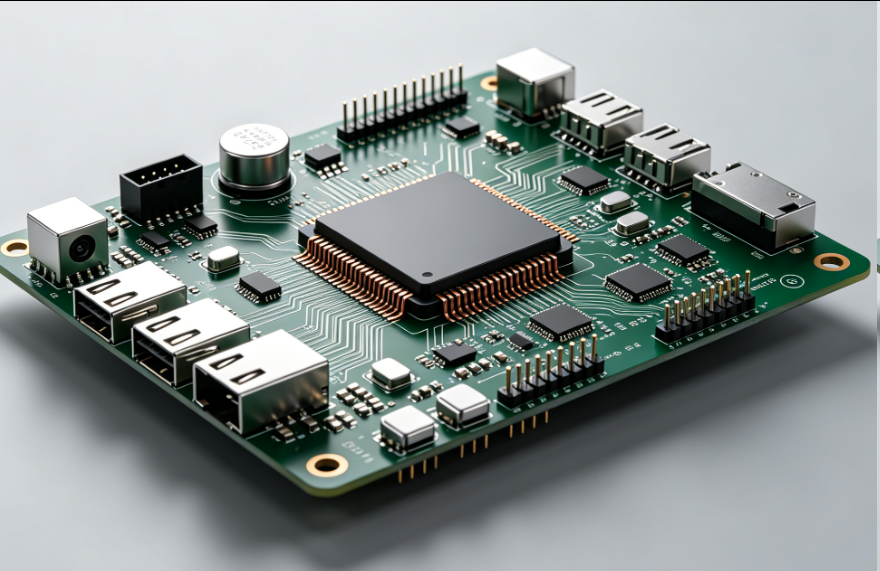
The design of PCBA (Printed Circuit Board Assembly) for intelligent hardware is undergoing a profound transformation driven by the rapid advancement of emerging technologies such as artificial intelligence (AI), Internet of Things (IoT), and 5G. One of the most prominent trends is the integration of AI-assisted design tools, which are reshaping the way PCBs are designed, validated, and optimized. As electronics manufacturers face increasing pressure to shorten development cycles and enhance reliability, AI-powered layout engines have become a strategic advantage, capable of reducing design time by 40% to 60%, especially for high-density, multi-layer boards that traditionally require extensive manual refinement. These tools analyze thousands of historical layout patterns to propose optimized routing, component placement, and layer stack-ups, improving signal integrity, reducing electromagnetic interference (EMI), and optimizing thermal distribution through simulation before physical prototypes are built.
Another key trend is the miniaturization and high integration of PCBA designs, driven by the demand for smaller, lighter, and more portable intelligent devices such as wearables, smart home sensors, and industrial IoT modules. This trend requires the adoption of advanced packaging technologies, including Chip-on-Board (COB), System-in-Package (SiP), and Ball Grid Array (BGA), which allow more components to be packed into a smaller footprint while maintaining or improving performance. Additionally, the rise of edge computing has pushed PCBA design toward higher processing power and lower latency, with integrated microprocessors and memory modules that can handle data processing locally, reducing reliance on cloud computing and improving response times.
Sustainability and energy efficiency are also becoming central to PCBA intelligent hardware design. With the growing emphasis on environmental protection, manufacturers are increasingly adopting lead-free solder materials, low-power components, and energy-efficient design strategies to reduce the carbon footprint of intelligent devices. Moreover, the integration of digital twins has emerged as a major milestone, allowing engineers to replicate the electrical, thermal, and mechanical behavior of PCBA in virtual environments, validate multiple design scenarios, and predict performance under real-world stress conditions before committing to production. This not only reduces design risk but also shortens time-to-market, a critical factor in the competitive intelligent hardware landscape.




 Home >


