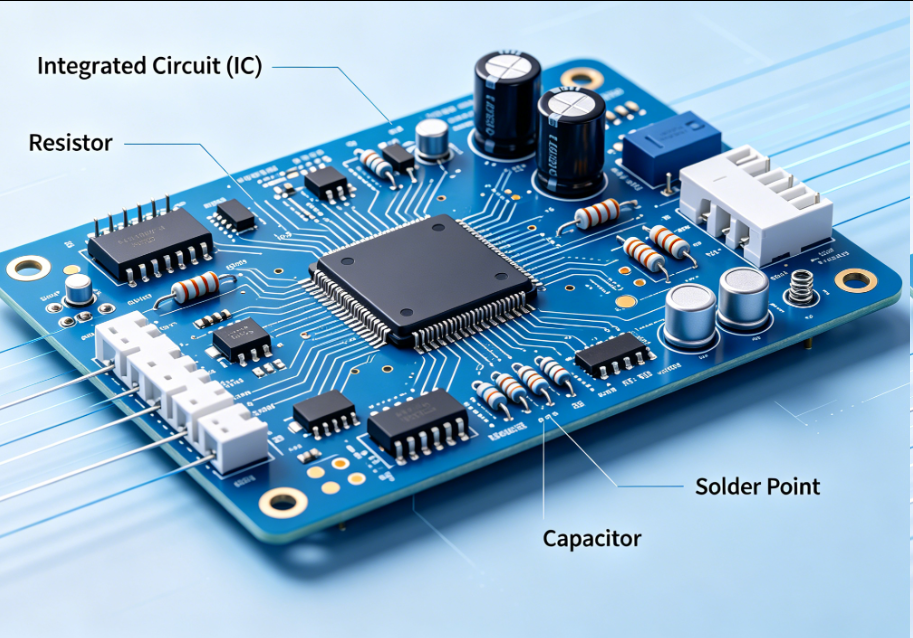
The storage environment of PCBA (Printed Circuit Board Assembly) materials is critical to ensuring their quality and performance, as most PCBA components are sensitive to environmental factors such as temperature, humidity, electrostatic discharge (ESD), dust, and light. Improper storage conditions can lead to component degradation, corrosion, oxidation, or damage, which directly affects the reliability of the final PCBA products and increases production costs due to material waste and rework. Therefore, establishing and maintaining a standardized storage environment is an essential part of PCBA material management.
Temperature control is one of the core requirements for PCBA material storage. Most electronic components, including integrated circuits (ICs), resistors, capacitors, and connectors, require a stable temperature range to prevent thermal stress and performance degradation. The optimal storage temperature for most PCBA materials is between 15°C and 25°C (59°F and 77°F). Temperatures above 30°C can accelerate the aging of components, especially for sensitive devices such as lithium batteries, electrolytic capacitors, and semiconductors, which may experience reduced service life or even permanent damage. Conversely, temperatures below 10°C can cause condensation when materials are moved to a warmer environment, leading to moisture intrusion and corrosion of metal contacts or solder joints. It is crucial to install temperature monitoring systems in the warehouse, with real-time alarms to promptly address any temperature deviations.
Humidity management is equally important, as excessive moisture can cause serious damage to PCBA materials. High humidity (above 60%) can lead to oxidation of metal components, formation of mold on packaging materials, and moisture absorption in hygroscopic components such as ceramic capacitors and ICs. This moisture absorption can result in "popcorning" during the soldering process, where the moisture expands and causes the component to crack or delaminate. On the other hand, extremely low humidity (below 30%) increases the risk of electrostatic discharge, as dry air reduces the conductivity of the environment, making it easier for static electricity to accumulate. The ideal relative humidity (RH) for PCBA material storage is between 40% and 60%. To maintain this range, warehouses should be equipped with dehumidifiers, humidifiers, and humidity sensors, and regular checks should be conducted to ensure humidity levels remain within the specified range.
Electrostatic discharge (ESD) protection is another critical requirement for PCBA material storage, as most electronic components are ESD-sensitive. Static electricity can accumulate on human bodies, packaging materials, or equipment, and even a small electrostatic discharge (as low as a few hundred volts) can damage or destroy sensitive components such as ICs, diodes, and transistors. To prevent ESD damage, the storage warehouse should be equipped with ESD grounding systems, including anti-static floors, anti-static workbenches, and ESD wrist straps for personnel. All PCBA materials should be stored in anti-static packaging, such as anti-static bags, conductive boxes, or ESD shielding containers. Additionally, personnel entering the storage area should wear anti-static clothing and shoes, and regular ESD testing should be conducted to ensure the effectiveness of the protection measures. Dust and light control are also necessary: dust can contaminate component leads and solder pads, affecting soldering quality, while direct sunlight or strong ultraviolet (UV) light can degrade packaging materials and sensitive components, so the warehouse should be kept clean and equipped with light-blocking windows or curtains.




 Home >


