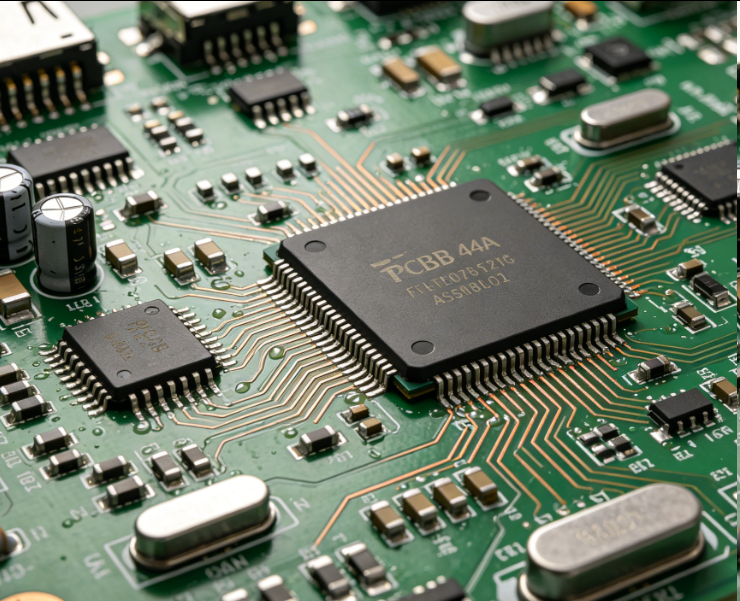
PCBA process improvement is an ongoing effort to optimize the manufacturing process of printed circuit board assemblies, with the goals of reducing defects, improving product quality, increasing production efficiency, and lowering costs. The process improvement cycle typically follows the Plan-Do-Check-Act (PDCA) framework, which involves planning improvements based on process analysis, implementing the changes, checking the results, and acting on the findings to refine the improvements. The first step in PCBA process improvement is identifying improvement opportunities, which can come from various sources, including defect analysis, process analysis, customer feedback, and emerging technologies. For example, if process analysis reveals that a significant number of defects are caused by inaccurate component placement, improving the component placement process may be a key focus area.
One common area of PCBA process improvement is the optimization of soldering processes. For reflow soldering, this may involve adjusting the reflow profile to ensure better solder wetting and joint formation, or adopting new soldering technologies such as vapor phase reflow, which provides more uniform heating and reduces thermal stress on components. For wave soldering, improvements may include optimizing the flux application process to reduce bridging defects, or upgrading equipment to improve wave stability and consistency. Another area of improvement is component placement, where the adoption of high-precision placement machines or automated optical inspection (AOI) systems can improve placement accuracy and reduce misplacement defects. AOI systems can also be used to detect defects in real time during production, allowing for immediate correction and reducing the number of defective PCBs that proceed to subsequent process steps.
Material selection is also a key factor in PCBA process improvement. Using high-quality materials—such as high-purity solder alloys, reliable components, and high-performance flux—can reduce the occurrence of defects and improve the overall reliability of the PCBA. Additionally, the adoption of lead-free soldering materials, in compliance with environmental regulations, may require process improvements to accommodate the different properties of lead-free solders, such as higher melting points. Process improvement also involves optimizing the production workflow to reduce cycle times and improve efficiency. This may include reorganizing the production line, implementing lean manufacturing principles to eliminate waste, or automating repetitive tasks such as inspection or component handling. Finally, continuous training of production personnel is essential to ensure that they are familiar with new processes, equipment, and quality control measures, as skilled operators play a critical role in maintaining process quality and implementing improvements effectively.




 Home >


