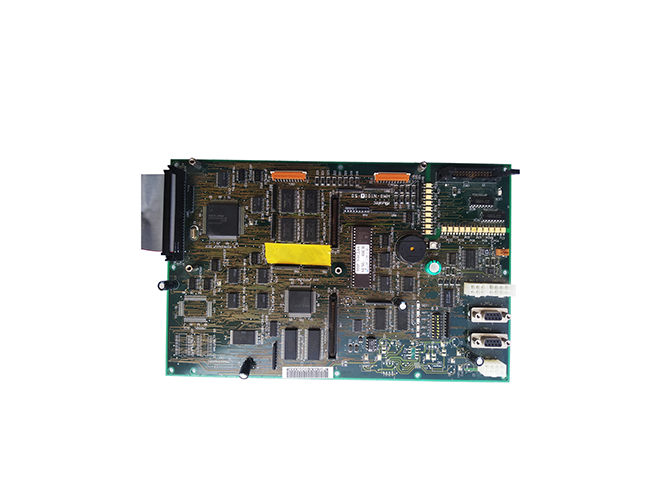
PCBA (Printed Circuit Board Assembly) processing quote is a comprehensive pricing document that covers the entire assembly process of printed circuit boards, from bare PCB fabrication to final testing and packaging. Unlike single-stage pricing, it integrates multiple links such as component soldering, process debugging, quality inspection, and packaging, making it a core reference for enterprises to control project costs and select cooperative manufacturers. The formulation of PCBA processing quotes is not arbitrary; it is based on the complexity of the project, production volume, process requirements, and quality standards, and each factor will directly affect the final quotation level. For enterprises, understanding the composition and influencing factors of PCBA processing quotes is crucial to avoiding hidden costs and ensuring the cost-effectiveness of the project.
The core components of PCBA processing quotes mainly include four parts: bare PCB manufacturing cost, component assembly cost, testing cost, and auxiliary cost. Bare PCB manufacturing cost accounts for 20%-30% of the total processing cost, which is affected by factors such as PCB layer count, board size, substrate material, copper thickness, and surface treatment process. For example, a 4-layer PCB is usually twice as expensive as a 2-layer PCB, and special surface treatments such as immersion gold will increase the cost by 20%-30% compared with spray tin. Component assembly cost is the largest part of the processing quote, accounting for 40%-50%, which is determined by the number of components, component types (such as SMD, DIP), and assembly difficulty. Fine-pitch components (such as 0.4mm pitch BGAs) and large-scale integrated circuits require more precise assembly processes, which will significantly increase the assembly cost. Testing cost accounts for 10%-15%, including AOI (Automatic Optical Inspection), flying probe testing, functional testing, etc. The more complex the product function, the higher the testing cost. Auxiliary costs include solder paste, flux, stencil, packaging materials, as well as equipment depreciation, water and electricity, and management fees, accounting for about 5%-10% of the total cost.
In addition to the core cost components, production volume and delivery time are important factors affecting PCBA processing quotes. For small-batch prototype orders (less than 500 units), the fixed costs such as machine setup fees and stencil fees are allocated to each unit, resulting in a higher per-unit processing price. For large-batch orders (more than 5,000 units), manufacturers can reduce the per-unit cost through scale effects, and usually provide a 15%-25% volume discount. Delivery time also affects the quotation: urgent orders that require shortening the production cycle by 30% or more will incur an additional 15%-25% expedited fee, as manufacturers need to adjust the production schedule, add shifts, and speed up the testing process. At the same time, quality standards also affect the quotation. Products that need to meet IPC-A-610 Class 3 (high-reliability requirements, such as medical devices and aerospace products) require more stringent quality control and testing processes, and the processing cost will be 30%-50% higher than that of Class 1 (consumer electronics) products.
When obtaining PCBA processing quotes, enterprises should not only focus on the total price but also carefully check the details of the quote to avoid missing costs. For example, some manufacturers may not include testing costs or packaging costs in the initial quote, which will lead to additional expenses in the later stage. In addition, it is necessary to confirm whether the quote includes component loss costs (usually 3%-5% of the component cost) to prevent disputes caused by component damage during the assembly process. Cooperating with manufacturers with rich experience and perfect after-sales service can not only ensure the stability of product quality but also obtain more transparent and reasonable quotes, helping enterprises effectively control project costs and improve market competitiveness.




 Home >


