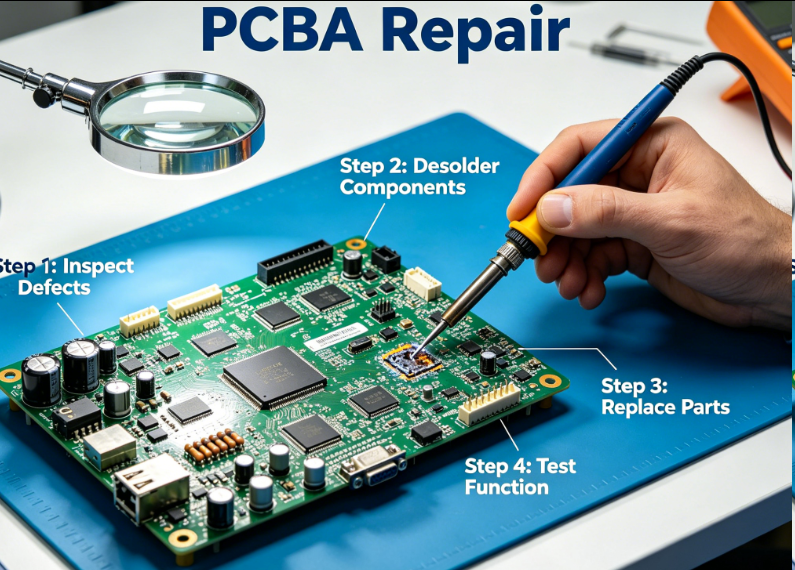
PCBA (Printed Circuit Board Assembly) repair processes are subject to stringent environmental requirements designed to minimize harm to ecosystems, human health, and comply with global regulatory standards. The core principle of these requirements is to control and reduce the use of hazardous substances, properly manage waste generated during repair, and promote sustainable practices throughout the entire repair lifecycle. During PCBA repair, technicians must first adhere to restrictions on hazardous materials, including avoiding the use of lead-containing solders, mercury-based cleaning agents, and brominated flame retardants (BFRs) that are prohibited by international regulations such as RoHS. All repair materials, such as lead-free solders (typically SAC305 alloy), flux, and cleaning solutions, must meet low-VOC (volatile organic compound) standards to reduce air pollution and protect the health of repair personnel.
Waste handling is another critical aspect of PCBA repair environmental requirements. Different types of waste generated during repair must be classified, stored, and disposed of separately to prevent cross-contamination and environmental pollution. For example, solder dross, which contains heavy metals like tin and silver, must be collected in sealed containers and sent to professional recycling facilities for metal recovery instead of being discarded in regular trash. Spent cleaning solvents, which may contain toxic chemicals, need to be neutralized and treated by qualified waste management companies to meet local discharge standards. Additionally, damaged PCBA components and scrap circuit boards should be recycled to recover valuable metals (such as gold, copper, and silver) and reduce electronic waste (e-waste) accumulation. Repair facilities must also implement energy-saving and water-recycling measures, such as using energy-efficient reflow ovens and closed-loop water cleaning systems, to minimize resource consumption and environmental impact. Regular environmental audits and staff training are essential to ensure consistent compliance with these requirements, as non-compliance can result in legal penalties, reputational damage, and long-term environmental harm.




 Home >


