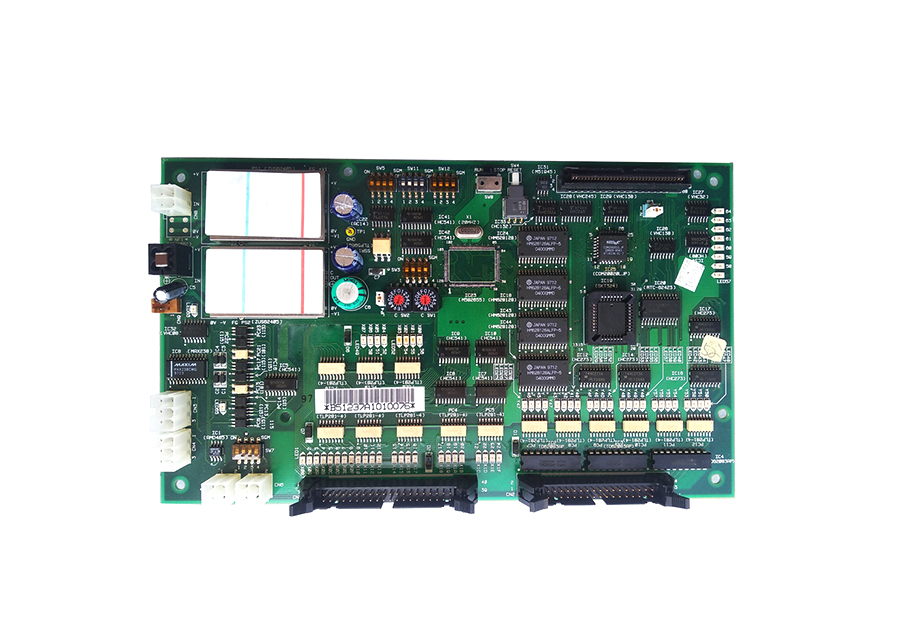
PCBA rework is an indispensable part of electronic manufacturing, aiming to correct defects in assembled printed circuit board assemblies (PCBAs) and ensure they meet design specifications and quality standards. However, traditional rework processes often suffer from low efficiency, inconsistent operation standards, and high rework failure rates, which not only increase production costs but also delay delivery cycles. Optimizing the PCBA rework process is therefore crucial for improving production efficiency, reducing waste, and enhancing product reliability. The core of optimization lies in establishing a systematic, standardized, and data-driven workflow that covers defect identification, root cause analysis, rework execution, and quality verification, while integrating advanced technologies and management methods to minimize the impact of rework on the overall production process.
The first step in optimizing the PCBA rework process is to implement efficient defect detection and classification mechanisms. By introducing automated testing equipment such as Automated Optical Inspection (AOI), X-Ray inspection, and Functional Test (FCT) in the early production stage, defects can be identified promptly before they enter the rework process, reducing the number of rework tasks and avoiding the accumulation of defects. At the same time, establishing a standardized defect classification system (e.g., solder defects, component misalignment, short circuits, open circuits) helps technicians quickly locate the root cause of defects and adopt targeted rework strategies. For example, solder bridging can be resolved through precise desoldering and resoldering, while component misalignment requires repositioning using precision tools such as vacuum pens and tweezers. Additionally, integrating real-time data collection and analysis through Manufacturing Execution System (MES) allows for the tracking of rework times, defect types, and rework success rates, providing data support for continuous process improvement.
Another key aspect of optimization is standardizing rework operations and enhancing technician capabilities. Developing detailed Standard Operating Procedures (SOPs) for each type of defect ensures that every rework step is performed consistently, reducing human errors caused by inconsistent operations. The SOPs should include specific requirements for tools (e.g., temperature-controlled soldering irons, hot air stations), materials (e.g., solder paste, flux), and operating parameters (e.g., reflow temperature curves, soldering time), as well as safety precautions such as electrostatic discharge (ESD) protection. Furthermore, regular training and certification for rework technicians are essential to improve their proficiency in handling complex defects, especially for high-density PCBs with tiny components such as 01005 packages and BGA chips. Cross-training technicians on multiple rework tasks also enhances workforce flexibility and reduces bottlenecks in the rework process. Finally, implementing a closed-loop quality control system for rework—including pre-rework inspection, in-process monitoring, and post-rework verification—ensures that reworked PCBAs meet the same quality standards as new products, reducing the risk of rework failure and improving overall product reliability.




 Home >


