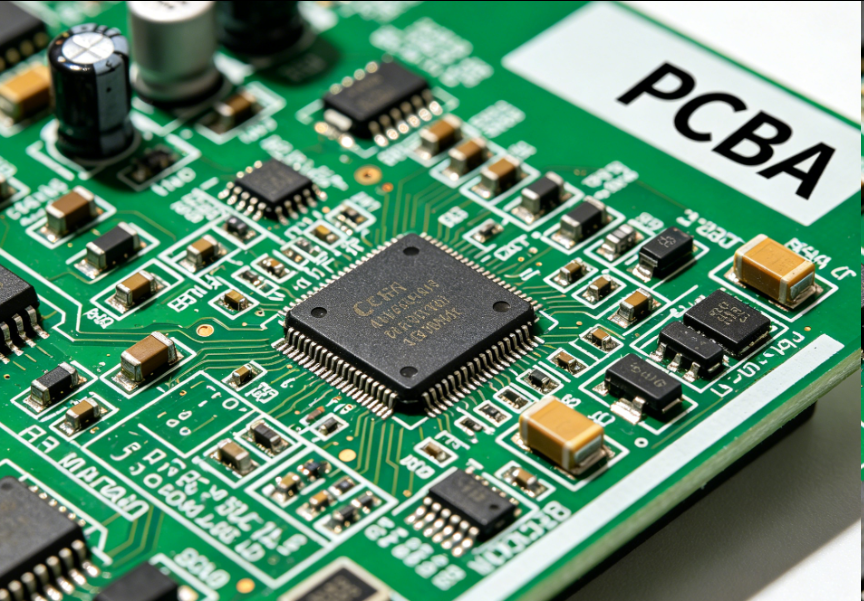
PCBA salt spray testing, also known as corrosion testing, evaluates the ability of printed circuit board assemblies to resist corrosion caused by saltwater or salt-laden environments. This test is particularly important for PCBs used in marine, coastal, automotive (underbody or exposed components), or industrial environments where they may be exposed to salt spray, fog, or mist. Salt spray can cause corrosion of metal components (such as connectors, solder joints, and copper traces), leading to increased contact resistance, electrical short circuits, or complete failure of the PCBA. The test simulates the corrosive effects of saltwater exposure over an extended period, allowing manufacturers to assess the corrosion resistance of the PCBA and its components.
The salt spray test grade is defined based on the test conditions, including the concentration of the salt solution, test duration, temperature, and type of salt spray (neutral, acetic acid, or copper-accelerated acetic acid). The most common grades are based on the ASTM B117 (Standard Practice for Operating Salt Spray (Fog) Apparatus) and IEC 60068-2-11 (Environmental testing – Part 2-11: Tests – Test Ka: Salt mist). The neutral salt spray (NSS) grade is the most widely used, with a salt solution concentration of 5% (by weight) sodium chloride (NaCl) dissolved in deionized water, a pH value of 6.5-7.2, and a test temperature of 35°C. The acetic acid salt spray (AASS) grade uses a 5% NaCl solution adjusted to a pH of 3.1-3.3 with acetic acid, while the copper-accelerated acetic acid salt spray (CASS) grade adds copper chloride to the AASS solution to accelerate corrosion, making it suitable for testing high-corrosion-resistant materials.
The test duration for salt spray testing varies depending on the grade and application. Common durations include 24 hours, 48 hours, 96 hours, 144 hours, and 1000 hours. For example, PCBs used in marine environments may require 1000 hours of NSS testing, while consumer electronics used in coastal areas may require 48-96 hours. The test grade is often specified based on the expected service life of the PCBA; longer test durations correspond to higher corrosion resistance requirements. During the test, the PCBA is mounted in the salt spray chamber at a 15-30° angle to ensure uniform exposure to the salt mist, and the chamber is maintained at the specified temperature and salt solution concentration.
The judgment criteria for PCBA salt spray testing are based on the degree of corrosion observed after the test. The main judgment indicators include the presence of rust, pitting, blistering, or discoloration on metal components, solder joints, and copper traces; the extent of corrosion (e.g., area of corrosion relative to the total surface area); and the impact of corrosion on the PCBA’s electrical performance. The acceptance criteria are typically defined by the manufacturer or industry standards. For example, a PCBA may pass the test if there is no visible corrosion on critical components (such as connectors or solder joints) and no degradation in electrical performance. If corrosion is present but does not affect functionality, the PCBA may be deemed acceptable for non-critical applications.
In addition to visual inspection, electrical testing is also performed after the salt spray test to verify that the PCBA meets all specified performance criteria. This may include continuity testing, insulation resistance testing, and functional testing. If the PCBA fails the test, the root cause is analyzed (e.g., insufficient conformal coating, use of non-corrosion-resistant components, or poor solder joint quality), and corrective actions are taken. Salt spray testing is a vital step in ensuring that PCBs can withstand corrosive environments and maintain reliability over their service life.




 Home >


