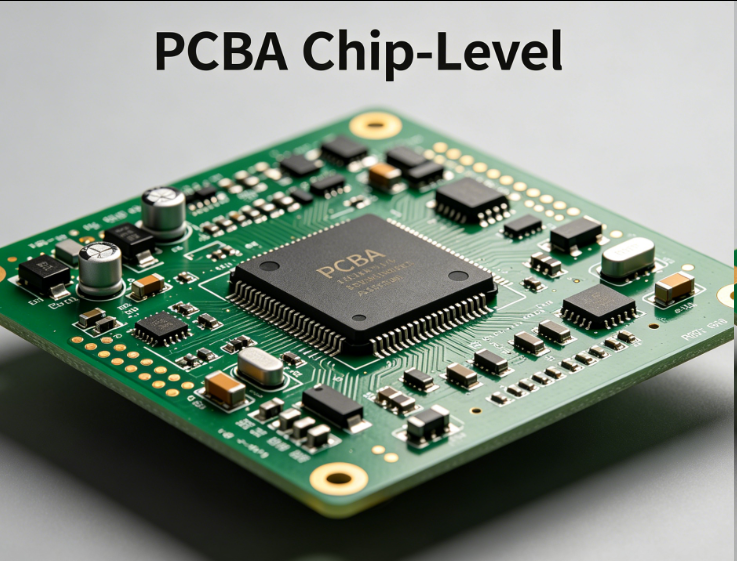
The handling of defective PCBA (Printed Circuit Board Assembly) products during testing is a critical process that ensures product quality, reduces waste, and optimizes production efficiency. When a defective unit is identified during testing, the first step is to conduct a preliminary isolation to prevent the defective product from mixing with qualified products. This involves labeling the defective unit clearly with information such as the test station, test time, and initial defect description, then transferring it to a designated defective product area with proper isolation measures to avoid cross-contamination or incorrect processing. The isolation step is essential to prevent unqualified products from entering subsequent assembly or shipping processes, which could lead to customer complaints, increased costs, and damage to product reputation.
After isolation, a detailed defect analysis is performed to determine the root cause of the failure. This analysis typically involves using testing equipment such as multimeters, oscilloscopes, and X-ray inspection machines to check for issues such as short circuits, open circuits, component misalignment, soldering defects, or component damage. The analysis results are recorded in a dedicated defect log, which includes detailed information about the defect type, location, and possible causes. Based on the analysis, the defective products are classified into repairable and unrepairable categories. Repairable defects include minor soldering issues, component misplacement, or loose connections, while unrepairable defects include severe board damage, irreparable component failure, or design flaws that cannot be corrected through maintenance.
For repairable defective products, they are transferred to the maintenance department for repair according to the established PCBA repair process. After repair, the products undergo re-testing to ensure they meet the required specifications and performance standards. If the re-test is passed, the products are returned to the qualified product area; if not, they are re-evaluated for further repair or classified as unrepairable. Unrepairable defective products are handled in accordance with environmental protection and company waste disposal regulations, which may include disassembly to recover usable components, recycling of materials, or safe disposal of non-recyclable parts. Throughout the entire process, strict documentation is maintained to track each defective unit’s status, ensuring traceability and providing data for process improvement to reduce the occurrence of similar defects in the future.




 Home >


