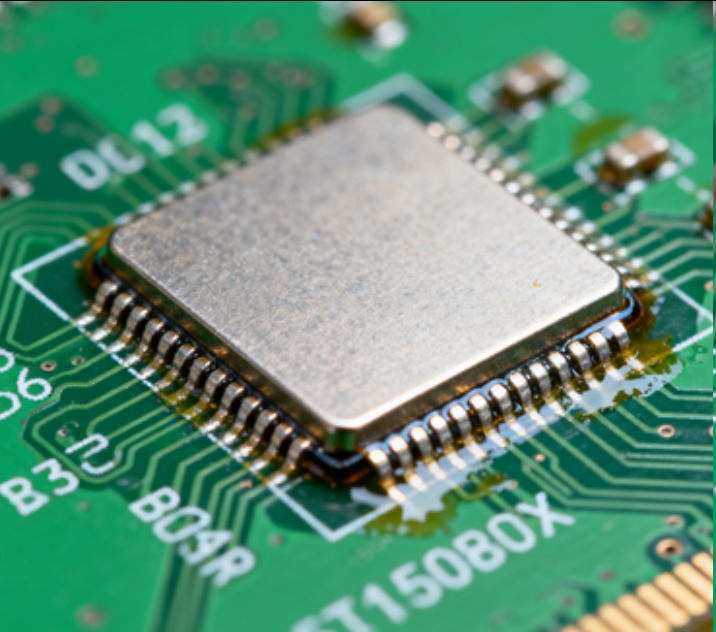
Printed Circuit Boards (PCBs) designed to mount Ball Grid Array (BGA) components have become increasingly crucial in modern electronics manufacturing due to the growing demand for high - density and high - performance circuit assemblies. BGA components feature a matrix of solder balls on their underside, which are used to establish electrical connections with the PCB. PCBs capable of accommodating BGA components require specialized design and manufacturing considerations to ensure reliable and efficient assembly.
The layout design of these PCBs is of utmost importance. Since BGA components have a large number of pins in a compact area, precise routing of traces is necessary. The PCB layout must provide sufficient space for the BGA footprint while ensuring that the traces can be routed away from the component without causing interference. Microvias are often utilized in these PCBs. Microvias are small - diameter vias that connect different layers of the PCB, allowing for more efficient trace routing in the limited space around the BGA. They enable traces to transition between layers quickly, reducing the overall footprint required for routing and minimizing the risk of signal degradation.
The surface finish of PCBs for BGA components is also a critical factor. Finishes such as electroless nickel immersion gold (ENIG) or electroless nickel electroless palladium immersion gold (ENEPIG) are commonly preferred. These finishes offer excellent solderability and corrosion resistance, which are essential for ensuring strong and reliable solder joints between the BGA's solder balls and the PCB pads. A smooth and uniform surface finish helps the solder balls make consistent contact with the pads during the soldering process, reducing the likelihood of open circuits or shorts.
During the manufacturing process, high - precision is required. The drilling of holes for vias and the placement of pads for the BGA must be extremely accurate. Any deviation in the position or size of the pads can lead to soldering issues, such as misaligned solder joints or insufficient solder coverage. Advanced manufacturing techniques, like laser drilling for microvias and high - precision imaging for pad placement, are often employed to achieve the required accuracy. Additionally, the PCB's flatness is crucial. Even a slight warpage in the PCB can cause problems during BGA assembly, as it may prevent the solder balls from making proper contact with the pads. Therefore, strict quality control measures are in place to ensure that the PCBs meet the high - flatness requirements for BGA mounting. With their specialized design and manufacturing, PCBs capable of mounting BGA components are essential for creating high - performance electronic devices in various industries, from consumer electronics to aerospace and defense.




 Home >


