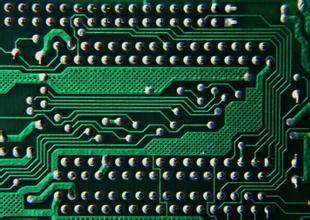
Printed Circuit Boards (PCBs) for aerospace applications are among the most sophisticated and rigorously engineered electronic components in the industry. Operating in extreme environments that include high altitudes, rapid temperature fluctuations, intense vibrations, and exposure to radiation, aerospace PCBs must meet stringent performance, reliability, and safety standards.
Material selection is a crucial aspect of aerospace PCB design. High - quality, flame - retardant, and lightweight materials are preferred to reduce the overall weight of the aircraft or spacecraft without sacrificing durability. Advanced laminates such as polyimide are commonly used due to their excellent thermal stability, allowing the PCBs to withstand temperature variations ranging from extremely cold conditions during high - altitude flights to the heat generated by onboard electronics. Additionally, these materials offer superior electrical insulation properties, which are essential for preventing short circuits and ensuring the integrity of the electrical signals in the complex aerospace systems.
The design of aerospace PCBs is highly intricate, often involving multiple layers to accommodate a large number of components and complex circuitry. High - density interconnect (HDI) technology is frequently employed to create compact and efficient PCBs that can house a vast array of microchips, sensors, and other electronic devices. Precision in component placement and routing is paramount, as even the slightest error can lead to system failures in the unforgiving aerospace environment. To enhance reliability, aerospace PCBs often feature redundant circuits. In case of a component failure, these backup pathways can take over, ensuring the continuous operation of critical systems such as navigation, communication, and flight control.
Manufacturing aerospace PCBs requires strict quality control measures. Each PCB undergoes extensive testing, including electrical testing to verify the integrity of the circuits, thermal cycling tests to simulate extreme temperature changes, and vibration testing to ensure the board can withstand the mechanical stresses during flight. These PCBs are also subjected to rigorous inspection for any manufacturing defects, such as soldering issues or trace discontinuities. Given the high stakes involved in aerospace applications, where failure can have catastrophic consequences, every aspect of the PCB, from design to production, is meticulously scrutinized.




 Home >


