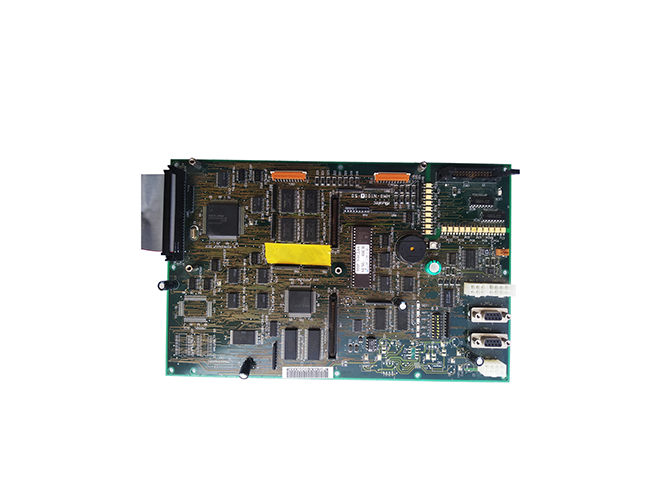
Corrosion-resistant coated printed circuit boards are widely adopted in harsh industrial, marine, outdoor and chemical exposure environments, and their anti-oxidation service life is mainly determined by coating material type, coating thickness, surface treatment process, operating ambient conditions and PCB base material performance. Common anti-corrosion coatings for PCBs include solder mask ink with high corrosion resistance, gold plating layer, silver plating layer, tin-lead anti-oxidation coating, organic solderability preservative (OSP) high-grade anti-corrosion film and parylene conformal coating, each featuring distinct anti-oxidation endurance.
Under standard indoor stable storage environment with constant temperature, constant humidity and no corrosive gas interference, high-quality corrosion-resistant coated PCBs can maintain complete anti-oxidation performance for more than 15 years without surface oxidation, pad discoloration, circuit corrosion and conductive layer failure. When applied in general outdoor environments with ordinary wind, rain and sunlight exposure, qualified heavy-duty corrosion-resistant PCB coatings can keep stable anti-oxidation effect for 8 to 12 years, effectively resisting rainwater erosion, dust adhesion and mild ultraviolet aging.
In severe service scenarios such as coastal salt fog areas, chemical plant workshops, high-humidity underground equipment and strong acid-base atmospheric environments, parylene coated corrosion-resistant PCBs show the strongest anti-oxidation capacity, which can continuously prevent oxidation and electrochemical corrosion for 5 to 8 years. Ordinary tin-plated anti-corrosion PCBs can only maintain effective anti-oxidation state for 2 to 4 years in such harsh conditions.
In practical electronic equipment working status with continuous power-on operation, circuit heating and frequent temperature alternation, the oxidation speed of PCB conductive layers will be accelerated. High-grade modified epoxy corrosion-resistant coated PCBs can stably serve for 6 to 10 years without oxidation failure, while low-cost thin-layer anti-corrosion coated PCBs are prone to pad oxidation, solder joint aging and circuit layer peeling within 2 to 3 years. Reasonable coating thickness control, standardized surface pretreatment and regular environmental maintenance can further extend the anti-oxidation service life of corrosion-resistant PCB boards by 30% to 50%.




 Home >


