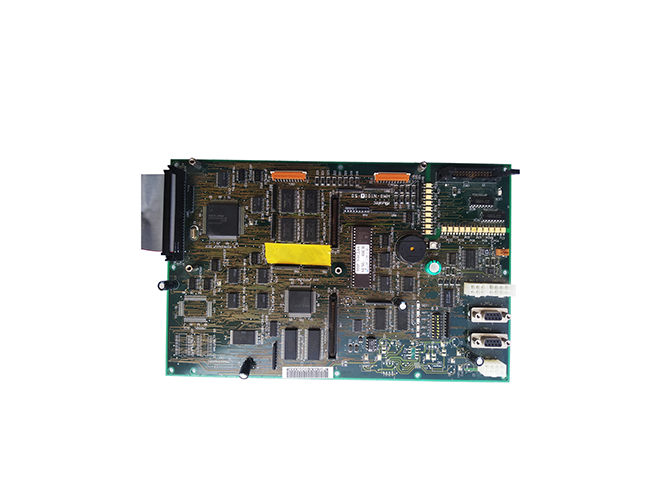
TWS (True Wireless Stereo) earphone PCB antenna design is a core part of wireless communication performance optimization, which needs to balance miniaturization, signal stability, and wearable scenario adaptability. Limited by the ultra-compact internal space of TWS earphones, PCB built-in antennas are the mainstream solution, replacing traditional external antennas. The most commonly used types are meander line antennas and inverted F antennas (PIFA), which feature flexible layout and low profile to adapt to the narrow PCB frame of earphones. The core design goal is to ensure stable 2.4GHz Bluetooth signal transmission while avoiding performance attenuation caused by structural limitations and component interference.
Impedance matching and layout isolation are the key technical points of TWS PCB antenna design. The antenna circuit must maintain a 50Ω impedance matching with the RF front-end circuit to reduce signal reflection and transmission loss. Designers need to set a complete ground clearance area for the antenna, strictly prohibiting the placement of metal components, batteries, and conductive wiring within the radiation range. Meanwhile, the antenna trace should avoid parallel wiring with power lines and audio signal lines to prevent electromagnetic coupling interference that affects Bluetooth pairing and transmission rate.
In addition, environmental adaptability and mass production consistency need to be fully considered. TWS earphones are prone to human body occlusion during wearing, so the antenna radiation direction should be optimized to reduce signal attenuation caused by human body absorption. In mass production, the PCB antenna line width, spacing, and copper thickness must follow unified process standards to avoid impedance deviation caused by processing errors. Reasonable solder mask design is also required to prevent oxidation of antenna traces and ensure long-term stable wireless communication performance of TWS earphones.




 Home >


