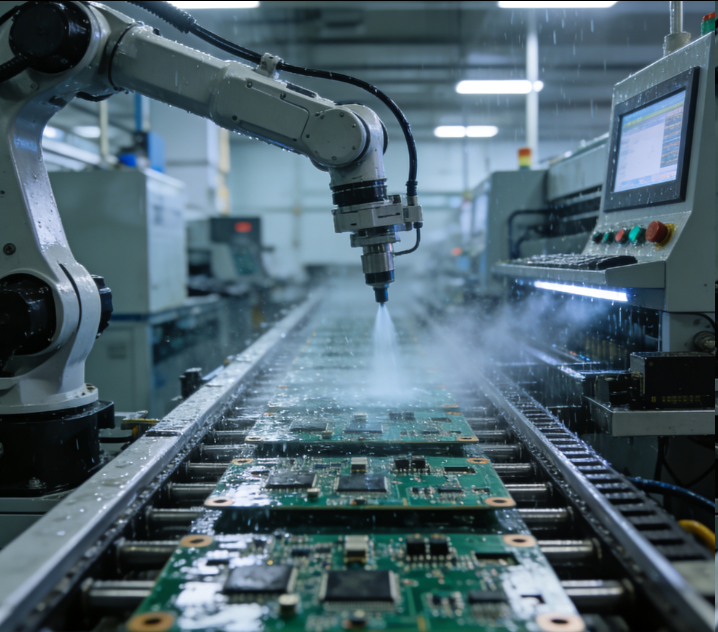
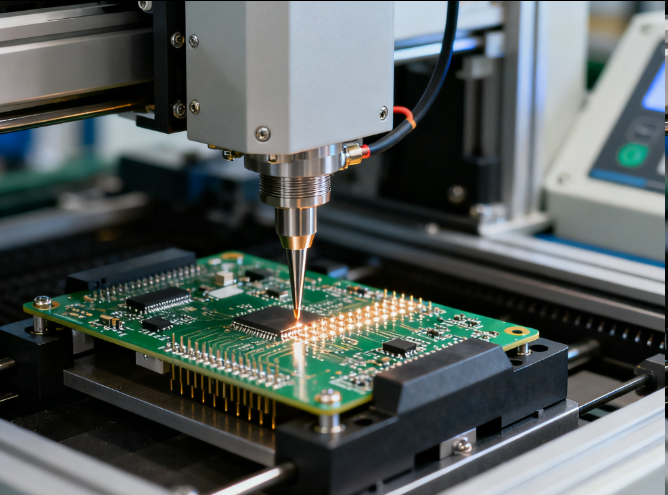
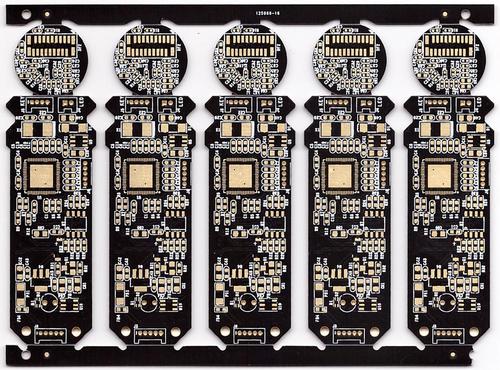
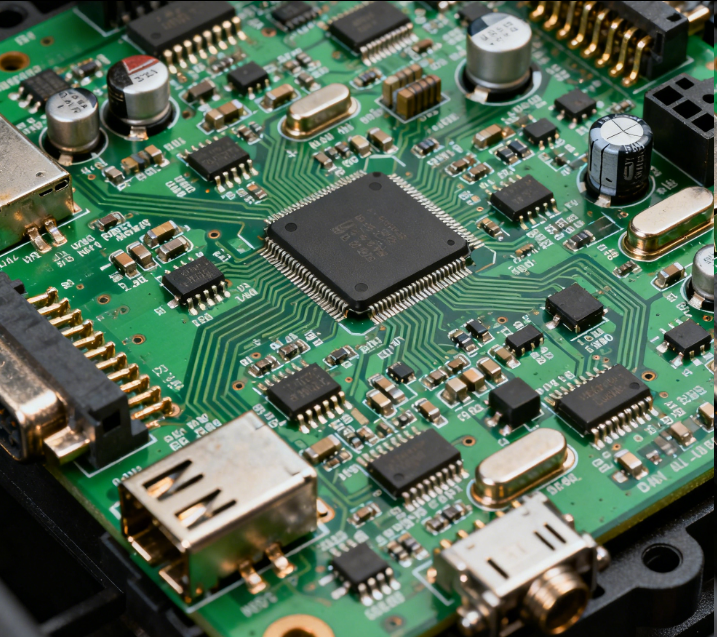
Green PCBs are the most common type of printed circuit boards, distinguished by their green solder mask—a protective layer applied to the substrate to insulate copper traces, prevent short circuits, and resist environmental damage. The green color comes from epoxy resin mixed with a green pigment (t
Aug 28, 2025
1


Flexible circuit boards (PCBs) are thin, bendable electronic substrates designed to fit into compact or irregularly shaped spaces, offering versatility in device design that rigid PCBs cannot match. Constructed from polyimide (PI) or polyester films (typically 25–125 μm thick) as the base material,
Aug 27, 2025
1


The Thermal Conductive Ceramic PCB is a high-heat-dissipation printed circuit board designed for electronics with high-power components—such as LED lighting, power amplifiers, automotive inverters, and industrial power supplies. Unlike standard FR-4 PCBs (thermal conductivity ~0.3 W/m·K), ceramic su
Aug 26, 2025
1


PCB AOI (Automatic Optical Inspection) is a sophisticated quality control technology used in printed circuit board (PCB) manufacturing to detect defects and inconsistencies in PCBs during or after production. This automated system utilizes high-resolution cameras, advanced lighting techniques, and i
Aug 25, 2025
1


Rigid-flex PCBs, which combine the structural stability of rigid substrates with the flexibility of flexible films, are widely used in compact, high-performance devices such as smartphones, medical implants, and aerospace electronics. The rigid-flex transition zone—where the rigid and flexible secti
Aug 22, 2025
1


PCB optical inspection (AOI) is a automated quality control process used in printed circuit board (PCB) manufacturing to detect defects such as soldering issues, missing components, incorrect component placement, and conductor flaws. This non-destructive testing method utilizes high-resolution camer
Aug 21, 2025
1