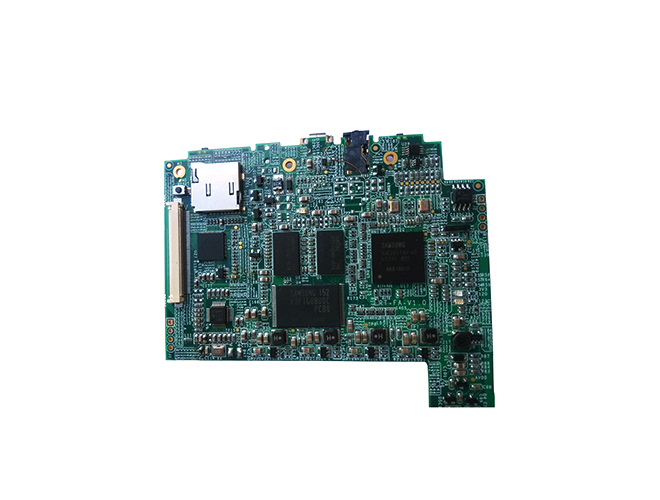
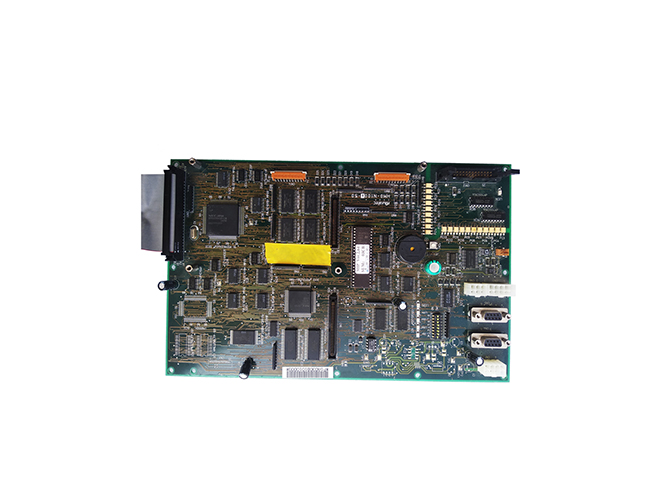
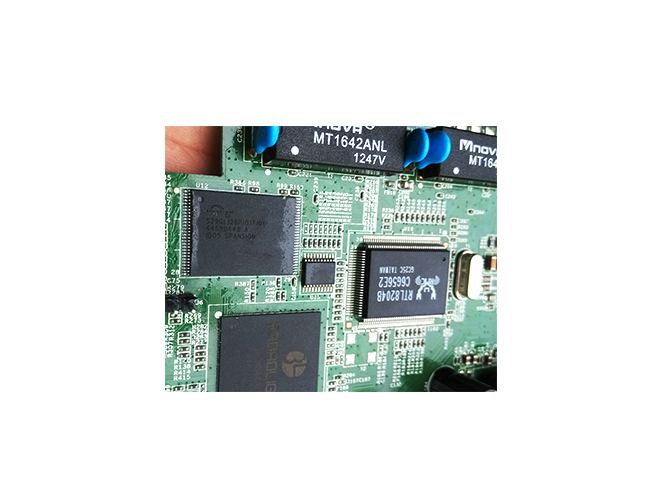
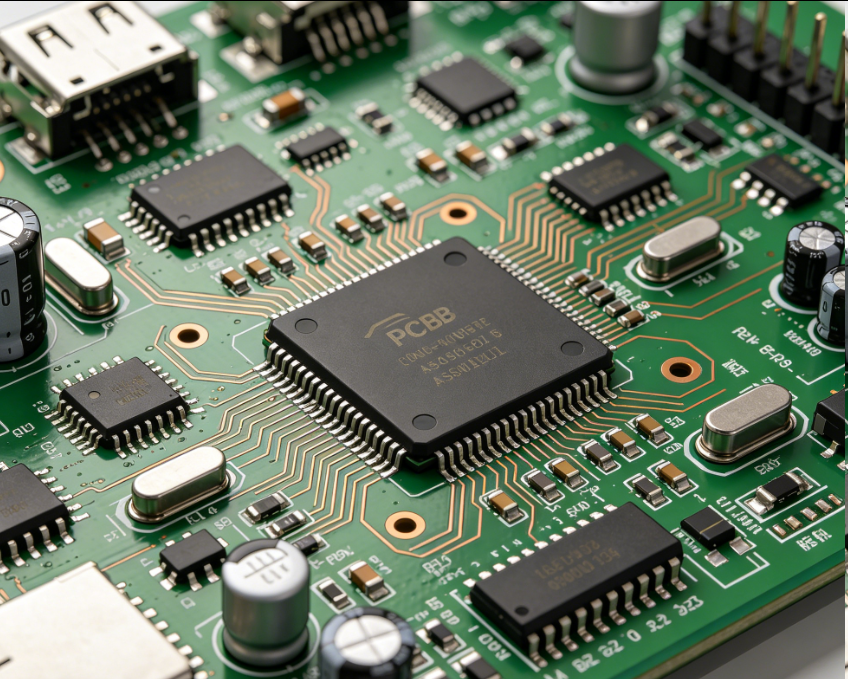
The rapid evolution of electronic devices, from compact consumer electronics to high-performance industrial equipment and aerospace systems, has driven continuous innovation in PCB (Printed Circuit Board) design technologies. Traditional PCB design, which focuses on basic connectivity and mechanical
May 25, 2026
172


PCB prototyping speed is critical for R&D cycles, with lead times primarily determined by layer count, panel size, and process complexity. For standard 2-layer boards under 1m², the fastest manufacturers offer 24-hour rush delivery; 4-layer boards take ~48 hours, 6–8 layers ~72 hours, and 10+ layers
May 22, 2026
245


Controlling the uniformity of hole wall copper thickness is a core technical challenge in the manufacturing of thick copper PCBs, as uneven copper thickness can lead to poor conductivity, insufficient current-carrying capacity, and even premature failure of the board. Thick copper PCBs, defined by a
May 21, 2026
526


Automotive electronics PCBA (Printed Circuit Board Assembly) is the core component that drives the intelligence, safety, and efficiency of modern vehicles. Unlike consumer electronics PCBA, automotive PCBA operates in extremely harsh and complex environments, requiring high resistance to temperature
May 20, 2026
532


PCB and PCA are two commonly confused terms in the electronics manufacturing industry, but they refer to distinct stages and components of electronic circuits, with clear differences in definition, function, and application. PCB, short for Printed Circuit Board, is a physical substrate that provides
May 19, 2026
328


A PCBA (Printed Circuit Board Assembly) inspection report is a comprehensive and formal document that records the results of evaluating assembled circuit boards against predefined quality standards and specifications. It serves as a critical tool for quality control (QC) teams, production managers,
May 16, 2026
159