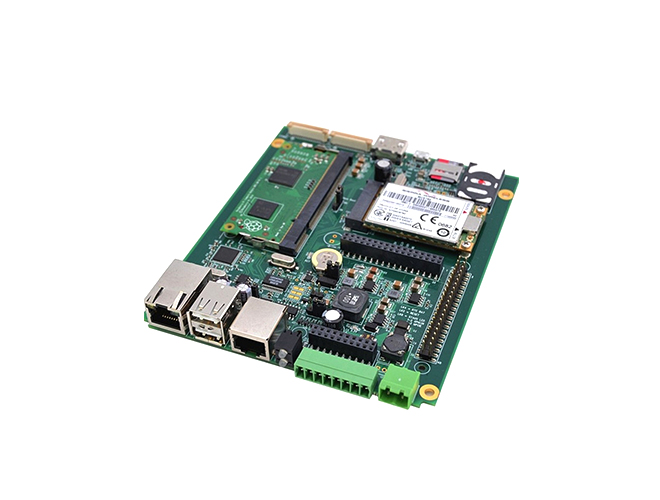
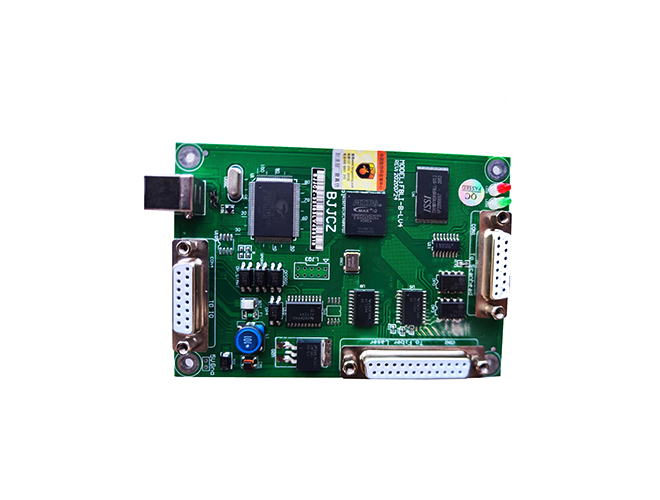
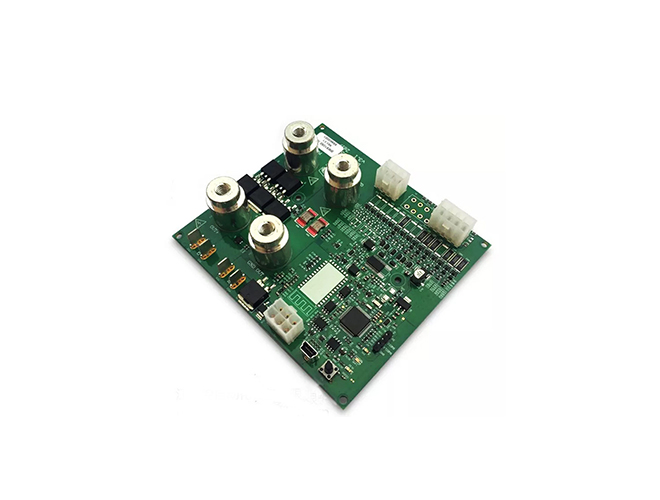
The two mainstream PCBA cooperation modes, consigned material processing and full turnkey contracting, dominate modern electronics manufacturing outsourcing, with core divergence lying in material procurement liability, capital allocation and supply chain management boundary, widely selected by elec
Jun 10, 2026
210


It is a common misconception that increasing PCB layer count unconditionally optimizes electrical signal quality, as multilayer stacking improves performance only when designed with rational stack-up rules instead of blind layer stacking. Extra PCB layers mainly provide dedicated ground and power re
Jun 09, 2026
150


Electromagnetic interference (EMI) is a critical factor affecting the stability of high-speed, high-frequency electronic systems. Electromagnetic shielding PCB relies on systematic structural design to suppress internal electromagnetic radiation and resist external signal interference, achieving ele
Jun 08, 2026
323


PCB solder mask ink is never limited to green, though green remains the dominant color in mainstream electronic manufacturing. The widespread use of green solder masks originated from mid-20th century industrial and military standardization. Early FR4 PCB substrates featured natural yellowish-brown
Jun 05, 2026
105


Robot sensor networks rely on high-frequency PCB systems to realize real-time collection, transmission and fusion of multi-dimensional sensing data, including visual, radar, ultrasonic and inertial sensing signals. Unlike conventional low-frequency PCBs, high-frequency PCBs for robot sensors need to
Jun 04, 2026
198


The rapid iteration of autonomous driving technology has driven the comprehensive upgrade of vehicle millimeter-wave radar from traditional 2D detection to high-precision 4D imaging perception, putting forward unprecedented technical requirements for supporting PCB design, materials and manufacturin
Jun 03, 2026
132